Partnering with ETAS to Optimize Next-Generation AURIX™ Security
Infineon Technologies (Korea CEO Seungsoo Lee) is responding to the growing demand for high-performance hardware and robust cybersecurity solutions as the automotive industry transitions to software-defined vehicles and new E/E architectures.
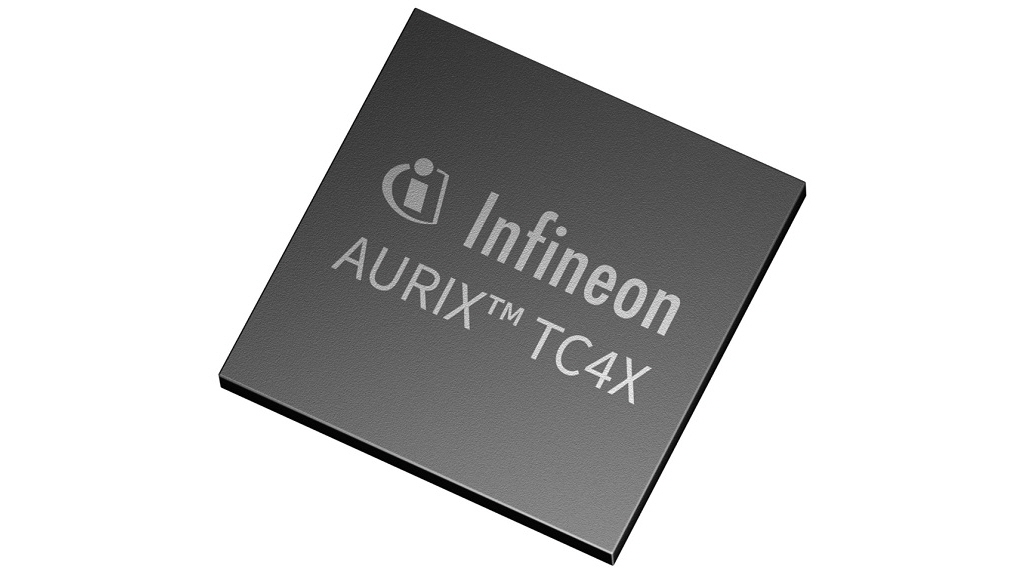
Infineon announced today that it has collaborated with automotive software company ETAS to integrate the ESCRYPT CycurHSM 3.x automotive security software stack into the AURIX™ TC4X Cyber Security Real-Time Module (CSRM).
ETAS and Infineon will optimize security levels, performance, and functionality through this next-generation solution combination.
“One of the strengths of our AURIX products is their deep integration of partner software solutions,” said Thomas Schneid, Director Software, Partnerships and Ecosystem Management at Infineon Technologies. “We are delighted to further strengthen our relationship with ETAS and contribute to the advancement of software-defined vehicles.”
“We are delighted to open a new chapter in our long and successful collaboration with Infineon,” said Rohan Pandit, Onboard Security Product Manager at ETAS. “By integrating the latest version of ESCRYPT CycurHSM into our AURIX microcontroller family, we are able to meet the increasing performance demands of software-defined vehicles while providing robust security,” said Mr.
The AURIX TC4X family complies with the latest ISO/SAE 21434 cybersecurity standard. This security concept eliminates performance bottlenecks and supports post-quantum cryptography. The controller family includes the Cybersecurity Real-time Module (CSRM) with dedicated memory and the Cybersecurity Satellite (CSS). The CSS provides an accelerator for cryptographic services and can run them in parallel, significantly improving throughput when combined with ESCRYPT CycurHSM 3.x.
Additionally, virtualization support allows multiple virtual instances to be configured, allowing multiple applications to run in parallel. ESCRYPT CycurHSM 3.x leverages this feature to enable flexible boot sequences and independent dynamic updates for each virtual instance. Access control can be configured with fine-grained granularity, and each virtual instance can be assigned a separate ASIL level, enabling different security applications.