전세계 EMI/EMC 필터 시장 15억불 ↑…AI 결합 시 설계·효율 ↑
기사입력 2025.02.06 15:13
Read it now for free!


디바이스의 소형화와 전자 시스템 복잡성 증가 추세 속에서 전자기 적합성(EMC)을 위한 차폐·테스트 솔루션의 중요성이 주목받고 있다. 특히 전기차 채택의 증가로 관련 시장이 EMC 차폐·테스트 시장을 주도하면서 성장 모멘텀이 마련되고 있다. 글로벌 시장조사기관 마켓츠앤드마켓츠에서 지난 2월 발표한 ‘EMC 차폐 및 테스트 장비 시장’ 보고서에 따르면 전세계 EMC 차폐·테스트 장비 시장은 2024년 84억달러(한화 약 11조원)에서 2029년 113억달러(약 15조원)에 이를 것을 전망되며 연평균성장률 6.2%를 예상했다. 전세계 EMC 차폐 및 테스트 장비 시장은 4차산업혁명과 전자파 간섭에 대한 우려가 커지면서 규모를 확대해나가고 있다. 다양한 산업분야에서 전자기기 증가와 전자 시스템 채택 확대는 전자파 간섭을 증가시키는 요인이 되고 있다. 이에 전세계적으로 업계는 EMC를 위한 포괄적인 솔루션에 투자하고 있다. #EMI #EMC #EMI차폐 #테스트장비 #키사이트 #텍트로닉스 #계측기
2024-03-25 오후 3:53:46by 권신혁 기자

[편집자주] IT제품 설계 시 발생하는 전자파 노이즈는 제품 성능 저하와 오작동 등 치명적인 결함을 유발한다. 최근 자동차의 전동화와 각종 IT 디바이스의 소형화, 5G·6G 통신으로의 패러다임 전환 등으로 전자파 환경에서의 노이즈가 증가하고 있으며, 각종 기기와 시스템의 오작동으로 이어지고 있다. 이에 기획연재 시리즈인 ‘EMI/EMC 명사(名士) 대담’을 통해 안전하고 신뢰성 높은 첨단 IT 제품 개발을 위해 EMI·EMC 설계의 중요성을 조명하고, 각계각층에서 활동하는 EMI/EMC 전문가들을 만나 최신의 이야기를 듣는 자리를 마련했다.
2024-05-24 오전 8:30:29by 권신혁 기자

[편집자주] 끊임없이 변화·발전하는 기술 트렌드와 표준 환경 속에서 국내 EMC(Electromagnetic Compatibility, 전자파 적합성) 및 SI/PI(Signal Integrity/Power Integrity) 전문가들도 지속적인 연구와 교류를 통해 기술 리더십을 구축해 나가고 있다. 특히 국내 최고전문가들로 구성된 한국전자파학회 EMC기술연구회를 중심으로 SI/PI/EMI/EMC 등 전파 환경에 대응하는 대책 설계와 기술들을 교류하면서 전문 역량 발전에 큰 기여를 하고 있다. 최근 EMC Korea 2024 개최 준비로 바쁜 EMC기술연구회 김종훈 박사를 어렵게 만나 근황과 EMC 기술 동향에 대해 이야기를 나눴다.
2024-07-09 오전 11:27:07by 권신혁 기자

[편집자주] 제조 산업에서 엔지니어링 소프트웨어는 현 시대에 한 몸이나 다름없다. 시뮬레이션 기반 설계로 프로세스의 효율성을 도모하는 한편 AI 기반 설계까지 등장하며 중요한 기술 도약의 분기점을 맞이하고 있다. 최근 하드웨어 스펙이 점차 증가하며 전자파 환경 노이즈 또한 동시에 증가하고 있는 가운데 엔지니어링 툴은 EMI/EMC 대응책을 지속 개발하며 발전해 나가고 있다. 이번 ‘EMI/EMC 명사(名士) 대담’에서는 EMI·EMC 분야 엔지니어링 소프트웨어 솔루션 전문가를 만나 이야기를 나눴다.
2024-07-18 오전 8:50:17by 권신혁 기자

[편집자주] 전자파 분야에서 AI 융합 발전이 빠르게 이뤄지고 있다. AI 기술이 전 산업 분야에 융합되기 시작하면서 EMI/EMC 분야에서도 AI 기술 도입 논의 및 연구가 활발하게 진행되고 있다. 이에 EM엔지니어와 미래 기술자들을 위한 AI 활용과 교육이 중요해질 것으로 기대되는 가운데 이번 ‘EMI/EMC 명사(名士) 대담’에서는 전자파와 AI 융합을 주제로 관련 전문가를 만나 이야기를 나눴다. 최근 이엠엑스아이(EMxAI)를 통해 새로운 시작을 준비하는 박학병 대표를 만나 EMI/EMC 전망과 AI 융합 추세에 대한 이야기를 나눴다.
2024-12-18 오후 2:00:02by 권신혁 기자
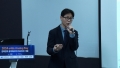
연규봉 한국자동차연구원 수석연구원은 지난 12월10일 개최된 ‘2024 e4ds Analog Day’에서 ‘전기차 등 전장부품에서의 전자파 간섭문제와 EMI 차폐’를 주제로 발표하며, 자동차용 전장부품 EMC가 전기차 및 자율주행의 확산으로 반도체 수량의 증가와 차량내 통신이 복잡해 지면서 기존의 비히클 레벨을 넘어 반도체 레벨까지 만족해야 하기 때문에 전장부품 출시를 위한 EMC가 고난이도화 되고 있다고 밝혔다.
2025-01-03 오후 4:06:18by 배종인 기자


[열린보도원칙] 당 매체는 독자와 취재원 등 뉴스이용자의 권리 보장을 위해 반론이나 정정보도, 추후보도를 요청할 수 있는 창구를 열어두고 있음을 알려드립니다.
고충처리인 장은성 070-4699-5321 , news@e4ds.com